A well-placed eyebrow can change a face more than most people expect. Raise the tail a few millimeters and the eyes look awake, the forehead appears smoother, and makeup sits better. For patients who want that lift without surgery, a carefully planned Botox eyebrow lift can be a smart, low‑downtime option. It is not magic, and it is not one size fits all. Results depend on anatomy, injector skill, and realistic goals. When those align, Botox can soften frown lines, quiet the muscles that pull brows downward, and let the brows float to a more open, balanced position.
What a Botox Brow Lift Actually Does
A brow lift with Botox involves selective relaxation of muscles that depress the brow, primarily the corrugator supercilii, procerus, and lateral fibers of the orbicularis oculi. These muscles pull the brows inward and down. When their activity is reduced with Botox injections, the frontalis, the muscle that elevates the brows, faces less resistance. The result is a subtle increase in brow position and a smoother eye frame.
This is not the same thing as smoothing forehead lines alone. Treating the frontalis with too much Botox cosmetic will relax the elevator and can drop the brows. The art lies in balancing points of relaxation so the frontalis can lift without creating Spock peaks or heaviness. In practice, that means a conservative, tailored technique that gives you lift without freezing expression.
Many patients arrive asking for Botox for forehead lines or Botox for frown lines, then realize a gentle brow lift would help more than simply ironing creases. Others come in for Botox for crow’s feet and leave with a plan that considers brow position, eyelid skin, and the dynamic of the midface. The most satisfying outcomes look natural, not startled, and they hold up in conversation, at rest, and under harsh lighting.
Who Benefits Most
Brow heaviness has several causes. Some people inherit a low-set brow. Others develop hooded eyes over time as skin thins and the brow drifts. Habitual frowning and squinting can deepen expression lines and tug the brow down. Botox therapy works best in patients whose brow position is influenced by active depressor muscles rather than heavy, redundant skin. If you have significant upper eyelid skin laxity or true brow ptosis from aging, Botox alone cannot replace a surgical brow lift or upper blepharoplasty. That said, even in those cases, a small lift can improve symmetry and comfort.
Ideal candidates share a few traits. They can raise their brows easily, yet they notice that the outer third settles lower than they like by afternoon or after long screen sessions. They see shadowing at the outer lid when they smile. They want the eye area to look more open, but they are not ready for surgical options. For many of these patients, Botox for eyebrow lift creates a two to three millimeter rise, often enough to brighten the eyes and improve makeup application.
How the Muscles Work Together
Understanding the push and pull helps set expectations. The frontalis is the only brow elevator. Everything else pulls down or in. The corrugators draw the brows inward, forming the “11” lines between the eyes. The procerus pulls the central brow down, creating a horizontal wrinkle at the bridge of the nose. The orbicularis oculi, the muscle that encircles the eye, helps us blink and smile, but its lateral fibers can drag the tail of the brow downward.
Injecting Botox into the corrugators and procerus, the classic treatment for frown lines, can lift the central brow a touch. Adding small doses to the lateral orbicularis can release the outer brow. The frontalis must be treated with restraint and careful placement. Too high and the hairline lifts while the brows stay put. Too low and you paralyze the elevator, creating heaviness or a brow drop. A seasoned injector maps injection points to your anatomy while you animate, not from a template.
The Appointment, Step by Step
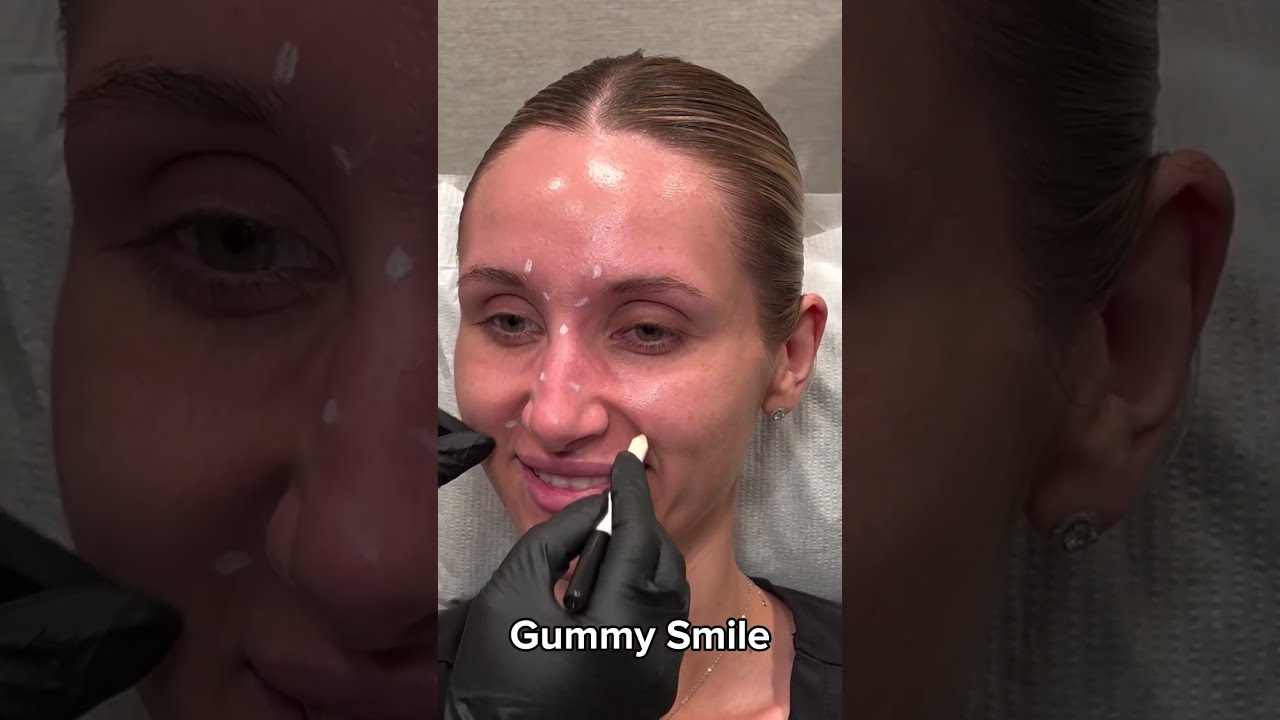
Most brow lift visits take 15 to 25 minutes. First, your provider evaluates brow height, asymmetry, eyelid skin, and how your muscles fire when you frown, raise, and smile. They might mark points, especially if your corrugators are strong or your lateral brow sits lower on one side. Patient photos before and after are useful for tracking subtle changes over time.
Cleansing comes next, followed by tiny Botox injections with a fine needle. Discomfort is brief and minimal. For a targeted lift, doses are small and precise, often in the range of 2 to 4 units per point along key muscles. Total Botox for brow lift ranges widely because it usually sits within a broader Botox for face plan. Many people receive 10 to 20 units for the glabella and lateral orbicularis combined, while the frontalis might receive 4 to 12 units in a pattern that safeguards lift. If you are also treating crow’s feet or forehead lines, the total might climb, but the ratio between areas still prioritizes elevation.
You can drive yourself home and return to work. Most providers recommend avoiding heavy exercise, saunas, or lying face down for a few hours. Makeup can be applied gently after any pinpoint bleeding stops. Small, raised blebs flatten within minutes, and any redness fades quickly.
When Results Show and How Long They Last
Early changes appear in three to five days. Full effects settle around the two-week mark. At this point, the brow has reached its new resting height. Eyelids can feel lighter, and patients often say their eyes look more open in photos. For first time Botox users, a two-week check helps fine tune subtle asymmetries. A half unit here or there can make a visible difference at the brow tail.
Longevity depends on metabolism, dose, and how strong your muscles were to start. Most people enjoy benefits for 3 to 4 months. Some maintain results for 5 to 6 months with regular Botox maintenance. Frequent exercisers or those with very active facial expressions might notice the effect wears off faster. Plan on two to four sessions per year if you want to keep the lift consistently.
Subtlety Over Force: Dosing Philosophy
The temptation with any cosmetic injection is to chase perfection with extra units. That approach backfires at the brow. Too much in the frontalis causes heaviness and flat brows. Too much in the lateral orbicularis over-relaxes the smile at the eyes and can look odd in motion. A restrained first session is safer. You can always add a small dose at the follow-up.
Several techniques help preserve a natural look. Injecting the frontalis in a higher, staggered pattern prevents a low, dense block of relaxation, reducing the risk of lid heaviness. Treating the procerus and corrugators releases the central brow without overflooding the elevator. Tiny, laterally placed injections in the orbicularis deliver a hint of tail lift while still allowing genuine smiling. The goal is Botox natural results, not a static mask.
Differences You Can Expect Based on Anatomy
Faces are not symmetric, and brows reflect that. If your right brow tail sits lower, it often means your right orbicularis is stronger, your brow bone is shaped differently, or your right frontalis does less work. Your provider might place more units on the lower side or adjust the vertical placement. Hairline height also matters. A high hairline can tolerate a slightly more superior frontalis injection pattern, but a low hairline often needs extra caution to avoid a compressed forehead.
People with hooded eyes from skin redundancy, not just muscle pull, get mild elevation at best. Pairing Botox for brow lift with other treatments can enhance outcomes. A microdose of hyaluronic acid filler at the lateral brow can support soft tissue if volume loss contributes to a droop. Energy treatments that address skin laxity, like gentle radiofrequency or ultrasound, can complement neuromodulator work. For true dermatochalasis, surgical options still reign.
Comparing a Botox Lift with Surgical and Other Non-surgical Options
Surgical brow lifts last longer and can create more dramatic change, but they come with incisions, cost, and recovery. A Botox brow lift is non surgical, lower risk, and reversible as it wears off. It also offers a trial run for the look you might pursue surgically later. For someone testing the waters or managing early aging, Botox for anti aging around the brow is often enough.
Dermal fillers do not lift the brow directly in most cases. They contour and replace volume. Cheek or temple fillers can indirectly support the outer brow by restoring scaffolding. Compare Botox vs filler this way: Botox reduces muscle pull and expression lines; filler restores structure and smooths static lines. The best results often come from Botox and dermal fillers used together, with conservative volumes and respect for vascular anatomy.
Other neuromodulators exist, but the principles are the same. Whether you use brand A or B matters less than placement, dose, and practitioner skill. If you have a history of variable response or want gentler movement, options like Baby Botox or Micro Botox can deliver feather-soft changes and are sometimes favored for the first session.
Safety, Side Effects, and How to Avoid Pitfalls
Botox safety is well established when administered by trained clinicians. The most common side effects are minor and temporary: small bruises, pinpoint bleeding, transient headache, or localized tenderness. Ice and arnica can reduce bruising. Makeup can camouflage marks the same day, provided the skin is clean.
Uncommon events include eyelid ptosis or an over-lifted brow peak. Ptosis typically results from product migrating into the levator palpebrae muscle that opens the eyelid. It is usually avoidable with correct depth, spacing from the orbital rim, and post-care that avoids heavy rubbing immediately after treatment. If it occurs, it resolves as the neuromodulator wears off, and eyedrops can sometimes help lift the lid temporarily.
A “Spock brow,” where the outer brow arches too sharply, stems from over-relaxing the central frontalis relative to the lateral fibers. It is correctable with a tiny dose placed laterally to drop the peak. The fix takes effect within days. Communication and a two-week check-in are key. A board certified Botox doctor, dermatologist, or experienced Botox nurse injector will preempt most issues by reading your anatomy and moving conservatively.
Patients with neuromuscular disorders, active infections at the injection site, or certain allergies are not candidates. Pregnancy and breastfeeding remain caution zones due to limited safety data; most clinicians defer treatment during this time. Always share medications and supplements, especially blood thinners, as they increase bruising risk.
Cost and Practical Planning
Botox cost varies by region and provider experience. Pricing is typically per unit or per area. A brow lift, often combined with glabella and lateral orbicularis treatment, may require 10 to 20 units devoted to the lift portion, with pricing ranging widely. Some clinics offer Botox specials for first time Botox appointments or package pricing for repeat sessions. Choose expertise over deals. A certified Botox provider who understands brow dynamics prevents costly corrections and frustration.
Budget for maintenance every 3 to 4 months at first. Some patients stretch to 4 to 6 months after a few cycles as muscles respond. Photos help determine when you truly need a refresh rather than relying solely on the calendar. Plan around events. If you have a wedding or major photos four weeks away, schedule treatment two to three weeks beforehand to allow time for adjustments.
The Brow Lift in the Broader Context of Facial Botox
The brow does not live in isolation. When we plan Botox for face, we consider how the forehead, glabella, crow’s feet, and even the masseter and neck contribute to overall harmony. Here is a simplified way to think about the major zones and how they interplay with the brow.
- Forehead and glabella: Excessive dosing here lowers the brow. Balanced treatment smooths lines while preserving elevation. Botox for forehead lines and Botox for frown lines should be designed with brow height as the north star. Crow’s feet and lateral canthus: Treating Botox for crow’s feet softens smile lines and can influence the brow tail subtly. Too heavy a hand can flatten expression. Delicate dosing preserves warmth in the eyes. Midface volume and temples: Volume loss can exaggerate brow descent. Filler in strategic areas complements a neuromodulator lift when indicated, especially for those with narrow temples or flattened cheek support. Neck and platysma: An overactive platysma can tug the lower face. Botox for platysma bands can refine the jawline, indirectly highlighting the upper face. While not a brow treatment, harmony matters. A crisp jaw and an open eye frame often travel together.
Even treatments outside the eye area, such as Botox for masseter hypertrophy for jaw slimming, change the way light hits the face, which in turn can make the eyes seem brighter. When the lower face looks less boxy, the upper face reads more delicate. Patients notice they need less highlighter under the brow and fewer tricks with eye shadow because the architecture has improved.
Addressing Specific Concerns Patients Often Raise
A common question is whether Botox for hooded eyes can fix extra skin. If the hooding stems from low brow position and strong depressor muscles, you can see a meaningful improvement. If skin redundancy is dominant, Botox helps less. Another frequent worry is droopy eyelids. Properly performed, a brow lift reduces the sensation of heaviness. Droop occurs with misplacement or spread to the levator. Choosing a seasoned injector minimizes this risk.
Some patients want very subtle changes. They worry about looking “done.” Options like Baby Botox or Micro Botox use fractional dosing to reduce movement without obliterating expression. These strategies are useful for those in front of cameras who need nuanced control, or for preventative Botox in younger patients building good habits before deep lines etch in.
A practical tip for makeup lovers: after a successful brow lift, your brow pencil or powder placement may shift slightly higher at the tail. Eyeliner can run closer to the lash line without getting lost in a fold. False lashes or lifts can be chosen a touch shorter if the lids are more visible. Small adjustments make the most of your new eye frame.
When Botox Is Not Enough
There are honest limits. If you wake with your brow nearly covering the outer eyelid and you lift your forehead constantly to see clearly, a surgical evaluation is warranted. Upper blepharoplasty can remove extra lid skin and restore the crease. A brow lift surgery can reposition the brow on the bone. In these cases, Botox remains valuable for shaping frown lines and maintaining smooth expression lines after healing, but it should not be sold as a substitute.
Another scenario is the patient with very thin skin and extensive sun damage. Here, skin quality matters as much as muscle modulation. Light resurfacing, medical skincare, and sun protection create a better canvas so the lift reads cleanly. Think of Botox as the mechanic of motion, while skin treatments handle texture and tone.
Realistic Expectations and Measurable Wins
If you are trying to decide whether a Botox eyebrow lift is worth it, measure specific markers. At baseline, note how much lid shows when you are fully relaxed. Take a close photo with your eyes at rest, then one while smiling. After treatment, use the same angles and lighting two weeks later. Most satisfied patients report three outcomes: the outer eyelid no longer feels heavy at the end of the day, eye makeup sits without smudging against a fold, and the face looks more alert in photos taken from conversational distance.
Numbers help too, even if they are approximate. A two to three millimeter lift sounds small on paper but changes how https://batchgeo.com/map/botox-in-sudburyma light catches the brow bone. On camera, that translates into visible brightness. The goal is lift with ease, not a surprised look.
Integrating a Brow Lift into a Maintenance Plan
Once you like the effect, consistency matters. Muscles adapt over repeated cycles. Many people find that the lift settles in more reliably after the second or third session. They also learn their personal wear-off pattern. Some hold crisp elevation for three months and prefer a quick booster at 10 to 12 weeks. Others glide through four months comfortably and return at the first sign of frown lines waking up.
Your plan might evolve. You might begin with Botox for brow lift and add small refinements over time, such as a touch of filler at the temple or a conservative energy treatment for crepey skin near the outer eyelid. Or you might keep it simple and repeat the same pattern every quarter. Either approach works as long as the assessment stays fresh and the doses remain customized.
The Role of Provider Expertise
Technique is everything. The same vial can produce different results in different hands. Look for a board certified Botox provider who can articulate why each injection point is chosen for your face. They should examine you while you animate. They should disclose the dose, the distribution, and what trade-offs they are making to preserve lift. They should also discuss Botox risks, from common bruising to rare complications, and how they would manage them.
Patients often ask whether a dermatologist, facial plastic surgeon, or experienced nurse injector is the best choice. The answer lies in training, volume of procedures, and aesthetic judgment. A top rated Botox injector pays attention to the brow’s arc, tail position, and how the forehead changes sudbury botox when you speak or laugh. They also respect that men and women often need different approaches due to forehead height and brow shape.
Frequently Overlooked Fine Points
Dry eye symptoms drive squinting. If you squint because your eyes feel gritty, you will reinforce the lateral orbicularis and pull the brow down. Addressing dryness with your eye doctor can support your lift. Screen glare has a similar effect. Adjusting your workspace lighting reduces strain and helps keep muscles relaxed.
Teeth grinding and jaw clenching affect the upper face more than you might think. When the masseter is overactive, tension patterns climb upward. Patients who receive Botox for TMJ or Botox for teeth grinding often notice their eyes feel less strained, partly because they stop clenching and squinting as much. The face works as a unit. When you calm one area, another often follows.
Sun protection and topical retinoids improve skin elasticity over the brow and lid. Better skin responds more gracefully to the small lift a neuromodulator delivers. If you have very oily skin or large pores, a separate plan for texture may be worth considering. Some clinics offer a Botox facial or microinjections to refine pore appearance, yet those are different from a true brow lift. Keep the goals distinct.
A Short Checklist Before You Book
- Clarify your goal: a subtle lift at the tail, a brighter central brow, or both. Review old photos: know where your brows sat five to ten years ago. Prepare for maintenance: plan for two to four sessions per year. Choose a provider who maps injections while you animate. Plan timing: schedule two to three weeks before important events.
What a Good Outcome Feels Like
Patients often describe a shift, not a transformation. They wake up without forehead tension. By late afternoon, the eyes do not feel tired. When they smile, the outer lids crinkle softly, not sharply. Loved ones ask whether they changed their mascara or got more sleep. That is the sweet spot for a Botox eyebrow lift: a quiet change that reads as you, only more rested.
For those navigating broader goals, like Botox for face slimming or contouring the jawline alongside an eye refresh, a staged plan keeps the face balanced. Address the brow and crow’s feet first, then evaluate the jaw or neck. A lighter lower face after masseter treatment can make the upper face feel more luminous. Conversely, over-slimming the jaw while the brow remains heavy can exaggerate imbalance. Careful pacing avoids that trap.
The Bottom Line
A Botox eyebrow lift opens and brightens the eye area by reducing downward pull and allowing the brow’s natural elevator to work without friction. It is subtle, customizable, and repeatable with minimal downtime. Success hinges on three pillars: precise technique, an honest read of your anatomy, and aligned expectations about what Botox can and cannot do. When those factors are in place, even a few millimeters of lift can reclaim light around the eyes and restore the easy, alert expression that photographs well and feels right in the mirror.